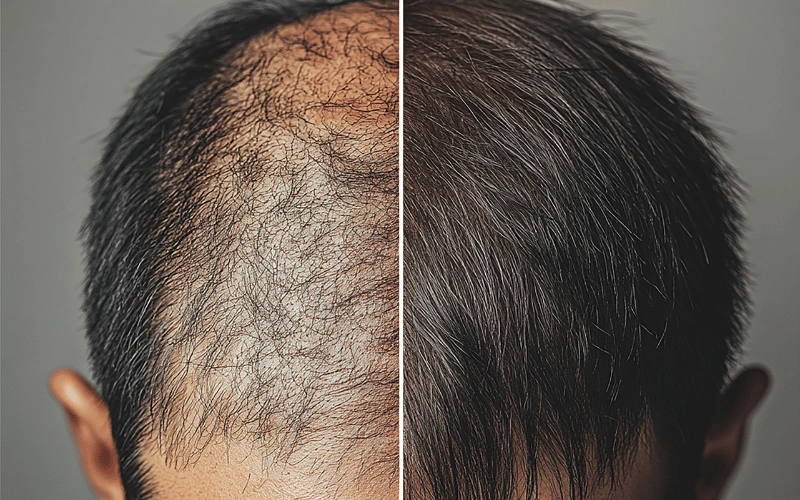
A hair transplant is an effective solution for permanent hair loss that restores natural hair by relocating healthy hair follicles to bald or thinning areas. While the procedure offers lasting results, avoiding common mistakes before and after surgery is essential. If you are considering the best hair transplant in Lahore, understanding these mistakes can help you achieve better results.
What Is a Hair Transplant?
A hair transplant is a surgical procedure that restores hair by moving healthy hair follicles from the donor area to bald or thinning areas of the scalp. Modern techniques like FUE and FUT provide natural-looking, long-lasting results when performed by experienced surgeons. Proper planning, careful aftercare, and expert treatment at Institute Cosmetique help achieve the best possible outcome.
10 Hair Transplant Mistakes That Can Affect Results
1. Choosing an Inexperienced Surgeon
One of the biggest mistakes is selecting a clinic based only on low prices. An inexperienced surgeon may create an unnatural hairline, damage healthy follicles, or reduce graft survival. Always choose a qualified specialist with proven experience.
2. Ignoring the Initial Consultation
Some patients skip important discussions before surgery. During the consultation, the surgeon evaluates your scalp, donor area, medical history, and hair loss pattern. This assessment helps create a personalized treatment plan and realistic expectations.
3. Having Unrealistic Expectations
A hair transplant improves hair density, but it cannot recreate the amount of hair you had during childhood. Understanding what the procedure can realistically achieve helps prevent disappointment after surgery.
4. Smoking Before and After Surgery
Smoking reduces blood circulation and limits oxygen delivery to healing tissues. Poor blood flow may affect graft survival and slow the recovery process. Most surgeons recommend avoiding smoking for several weeks before and after the procedure.
5. Drinking Alcohol Around the Procedure
Alcohol can increase bleeding and interfere with the body’s natural healing response. Patients should avoid alcoholic beverages before and after surgery according to their surgeon’s instructions.
6. Touching or Scratching the Transplanted Area
Newly implanted grafts remain delicate during the first few days. Scratching, rubbing, or touching the scalp unnecessarily can dislodge grafts and affect the final outcome.
7. Returning to Exercise Too Soon
Heavy workouts increase sweating and blood pressure, which may interfere with healing. Patients should gradually return to physical activities only after receiving medical clearance.
8. Ignoring Aftercare Instructions
Every surgeon provides detailed aftercare guidelines. Skipping medications, washing the scalp incorrectly, or missing follow-up appointments can increase the risk of complications and reduce the quality of results.
9. Expecting Immediate Hair Growth
Transplanted hairs usually shed during the first few weeks before new growth begins. This process is normal and should not cause concern. Visible improvement often appears gradually over several months.
10. Failing to Protect the Scalp
Direct sunlight, dust and accidental injuries can irritate the healing scalp. Protecting the treated area during recovery helps support healthy graft development.
Solutions to Avoid These Mistakes
The best way to achieve successful results is to prepare carefully and follow professional advice throughout the recovery period.
- Choose an experienced and qualified hair transplant surgeon.
- Attend every consultation and follow all medical recommendations.
- Stop smoking and avoid alcohol during the recovery period.
- Protect the transplanted area from injury and direct sunlight.
- Take prescribed medications exactly as instructed.
- Avoid strenuous exercise until your surgeon approves it.
- Be patient and allow enough time for natural hair growth.
- Maintain regular follow-up visits to monitor healing.
Key point to know:Clinics such as Institute Cosmetique emphasize proper patient education because informed patients are more likely to achieve healthy and natural-looking outcomes.
Bottom line
A hair transplant is a reliable and long-lasting solution for many types of hair loss, but the final outcome depends on more than the surgery itself. Avoiding common mistakes, following your surgeon’s instructions, and maintaining realistic expectations significantly improve graft survival and overall satisfaction. Proper preparation and responsible aftercare are the keys to achieving natural and lasting hair restoration.
Frequently Asked Questions
1. How long does it take to recover after a hair transplant?
Most patients return to normal daily activities within one to two weeks, while complete hair growth develops over several months.
2. Is hair transplant surgery painful?
The procedure is performed under local anesthesia so patients usually experience minimal discomfort during surgery.
3. When will new hair start growing?
New hair commonly begins growing around three to four months after the procedure, with full results appearing within 12 months.
4. Can transplanted hair fall out?
Temporary shedding is normal during the early recovery phase. The transplanted follicles usually produce permanent new hair afterward.
5. How can I improve my hair transplant results?
Follow all aftercare instructions, maintain a healthy lifestyle, avoid smoking and attend follow-up appointments for the best possible outcome.