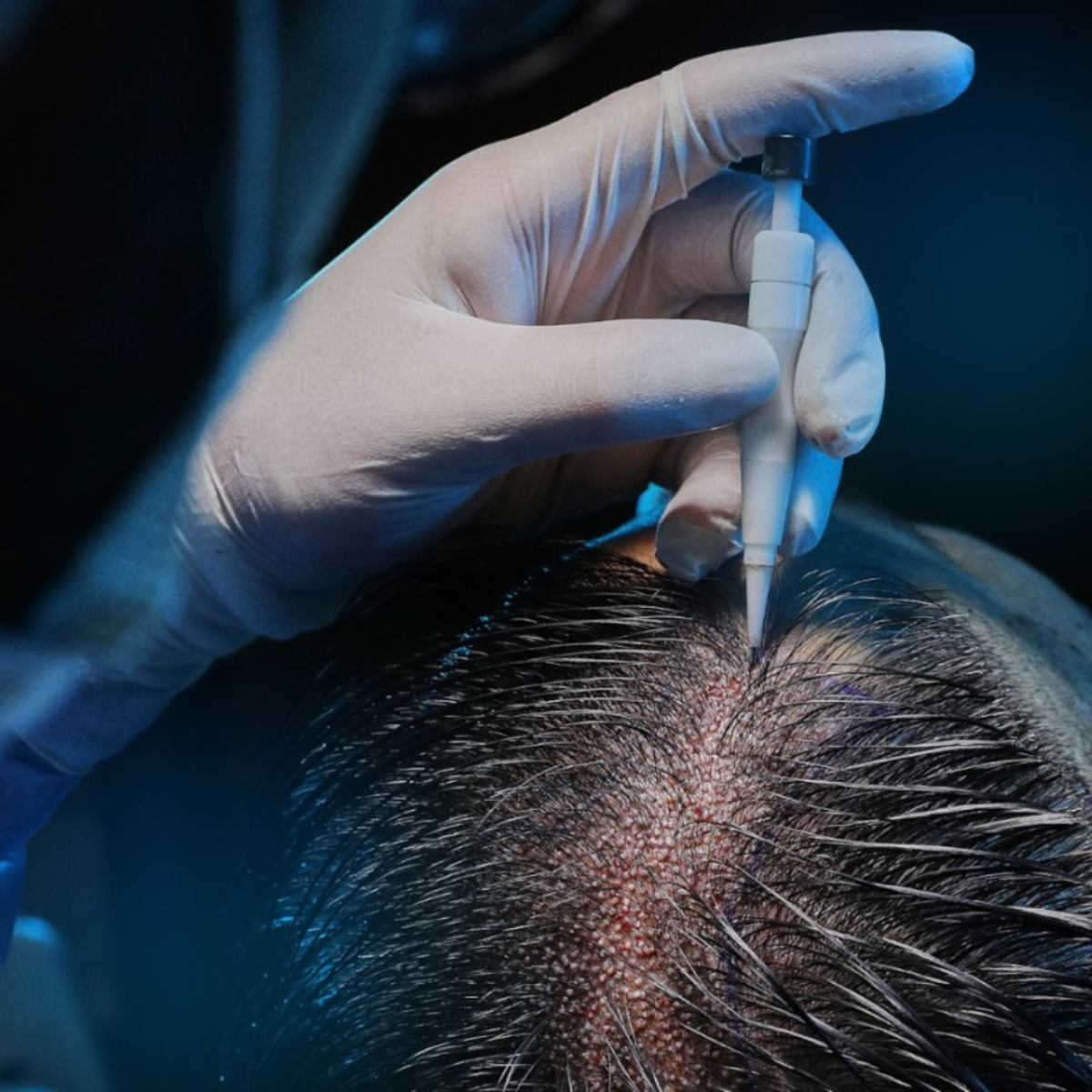
Hair restoration has improved significantly over the years allowing people with hair loss to achieve fuller and more natural-looking results. One of the most common questions patients ask is whether a hair transplant can actually increase hair density. The answer depends on several medical factors including the condition of the scalp, the quality of donor hair and the number of grafts available. Understanding these facts helps patients set realistic expectations and make informed decisions about treatment.
Hair Density Depends on Donor Hair Quality
A hair transplant can improve the appearance of hair density but the final result depends largely on the quality and amount of healthy donor hair. Strong donor follicles allow surgeons to transplant more grafts into thinning areas creating a fuller appearance.
Before treatment specialists carefully evaluate:
- Donor hair density
- Scalp condition
- Pattern of hair loss
- Available grafts
Key point to know:At Institute Cosmetique every patient undergoes a detailed scalp assessment before surgery to determine the most suitable treatment plan.
Proper Graft Placement Creates Fuller-Looking Hair
Hair density is not determined by the number of grafts alone. Accurate graft placement plays an equally important role. Skilled surgeons implant each follicle at the correct angle, depth and direction to match natural hair growth.
This precise placement helps:
- Create a fuller appearance
- Improve natural hair flow
- Blend transplanted hair with existing hair
- Avoid an artificial look
Key point to know:Even with a limited number of grafts proper placement can make hair appear significantly denser.
Natural Hair Density Depends on Individual Factors
A hair transplant can improve density but it cannot completely restore the original hair density that existed before hair loss. The amount of donor hair available naturally limits how much coverage can be achieved.
Several factors influence the final density including:
- Severity of hair loss
- Size of the bald area
- Donor hair availability
- Scalp flexibility
Understanding these limits helps patients develop realistic expectations before surgery.
Multiple Sessions May Increase Hair Density Further
People with extensive hair loss sometimes require more than one transplant session. A second procedure may add additional grafts to areas that need greater coverage after the first surgery has fully healed.
Additional sessions may help:
- Increase overall density
- Improve hairline fullness
- Enhance crown coverage
- Create a more balanced appearance
The decision depends on the remaining donor hair and individual treatment goals.
Healthy Hair Follicles Support Better Density
Strong and healthy follicles produce stronger growth after hair transplantation. The condition of both the donor and recipient areas affects how well transplanted hair grows over time.
Factors that support better density include:
- Healthy scalp tissue
- Good blood circulation
- Proper surgical technique
- Following aftercare instructions
Healthy follicles generally provide thicker and more consistent hair growth.
Aftercare Influences Hair Density Results
The success of a hair transplant does not end after surgery. Proper aftercare plays an important role in helping transplanted follicles survive and grow successfully.
Patients should:
- Follow all medical instructions
- Protect the scalp during healing
- Take prescribed medications
- Attend follow-up appointments
Important Things to Know:Good aftercare supports healthy follicle growth and helps maximize the appearance of hair density.
Medical Examination Guides Hair Density Expectations
Every patient has a different hair loss pattern. Because of this, surgeons perform a detailed medical evaluation before recommending treatment. They estimate how much density can realistically be achieved based on available donor hair and scalp characteristics.
Patients searching for the best hair transplant in Lahore should choose a clinic that provides personalized assessments instead of promising unrealistic results.
At Institute Cosmetique specialists develop customized treatment plans based on each patient’s scalp condition, donor hair quality and long-term restoration goals.
Natural Density Takes Time to Develop
Hair density does not appear immediately after surgery. Newly transplanted follicles enter a natural growth cycle before producing visible hair.
Most patients experience:
- Initial shedding during recovery
- Early hair growth after several months
- Progressive improvement over time
- Full results within approximately one year
Patience is an important part of achieving successful long-term results.
Wrapping up
A hair transplant can improve the appearance of hair density but the final outcome depends on donor hair quality, graft placement, scalp condition and realistic treatment planning. While it cannot completely restore the original density before hair loss, modern techniques create fuller and natural-looking results. Proper surgical planning, experienced specialists and careful aftercare all contribute to achieving the best possible outcome.
Frequently Asked Questions
1. Can a hair transplant increase hair density?
Yes. A hair transplant can improve the appearance of hair density by placing healthy follicles in thinning or bald areas.
2. Can a hair transplant restore original hair density?
No. The final density depends on the amount of healthy donor hair available and individual scalp conditions.
3. Does graft placement affect hair density?
Yes. Proper graft placement creates a fuller and more natural-looking appearance.
4. Can a second hair transplant improve density?
Yes. Some patients benefit from an additional session to increase coverage and density.
5. How long does it take to see full hair density after a transplant?
Most patients achieve their final results within 9 to 12 months after the procedure.