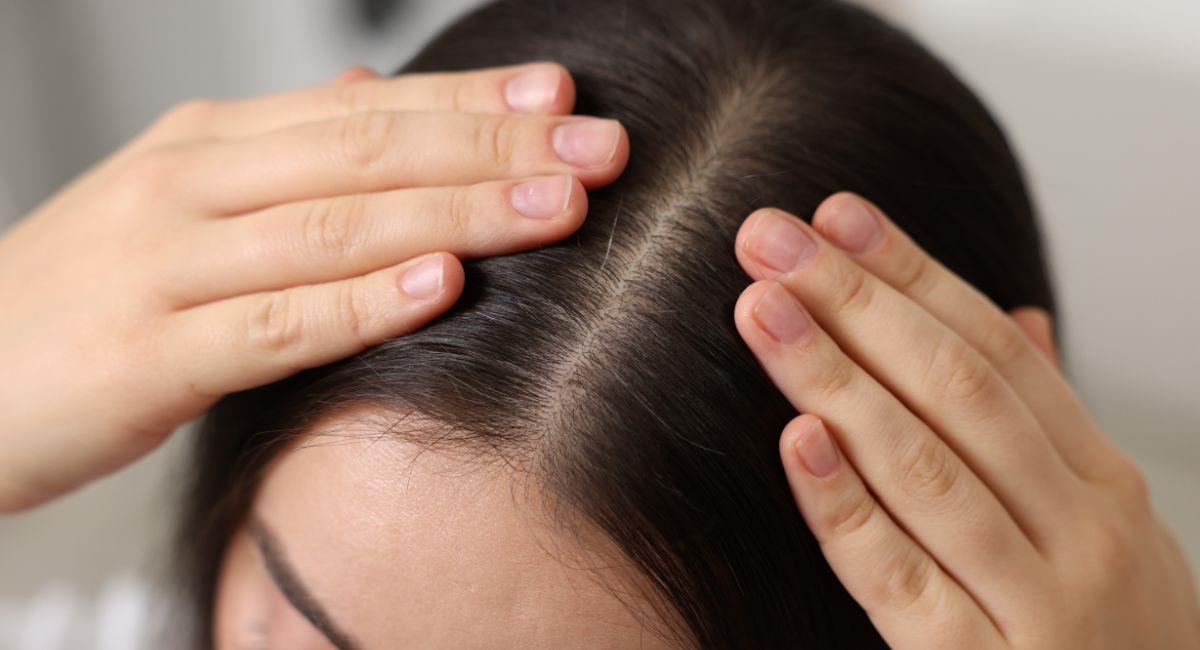
Hair loss affects millions of people and can reduce confidence and self-esteem. Modern medical procedures now provide a reliable solution through hair transplantation. A successful hair transplant not only restores lost hair but also allows new natural hair to grow over time. Understanding how new hair develops after the procedure helps patients set realistic expectations and follow the right aftercare routine.
Hair Transplant
A hair transplant is a procedure that moves healthy hair follicles from the back or sides of the scalp to areas affected by hair loss. These follicles continue to grow naturally helping restore hair density and create a natural-looking hairline.
How Hair Follicles Begin Their New Growth Cycle
After the procedure the transplanted follicles settle into the scalp and connect with nearby blood vessels. This healing process provides the oxygen and nutrients needed to support healthy new hair growth.
Hair Loss Before the Growth Cycle Begins
Many patients become concerned when the transplanted hairs begin falling out within the first few weeks. This is a completely normal part of recovery and is known as shock shedding.
Only the visible hair strands fall out while the hair follicles remain healthy beneath the skin. The follicles enter a temporary resting phase before starting a new growth cycle. This stage should not be mistaken for treatment failure.
How New Hair Starts to Develop
After the resting phase new hair begins growing from the transplanted follicles. The hair appears thin at first but gradually becomes thicker, stronger and more natural over the following months.
Stages of Hair Growth After Hair Transplant
First Month
During the first month the scalp mainly focuses on healing. Some transplanted hairs shed naturally while the follicles remain protected beneath the skin.
Second to Third Month
The follicles stay in a resting phase. Most patients notice very little visible hair growth during this period which is completely normal.
Third to Sixth Month
New hairs begin appearing across the treated area. Although the hairs are initially fine, they continue growing steadily with time.
At this stage many people searching for the best hair transplant in lahore begin seeing visible improvements after receiving treatment from experienced specialists.
Sixth to Ninth Month
Hair becomes denser and thicker. The transplanted area starts blending more naturally with the existing hair making the improvement much more noticeable.
Nine to Twelve Months
Most patients achieve significant hair growth during this stage. The transplanted follicles complete their normal growth cycle producing healthy and natural-looking hair.
Tips for Better Hair Growth After Transplant
Several factors influence how successfully new hair develops after transplantation.
Healthy Blood Supply
Strong blood circulation provides oxygen and nutrients that keep transplanted follicles healthy throughout the healing process.
Proper Aftercare
Following your surgeon’s instructions helps protect newly transplanted follicles. Gentle washing, avoiding excessive scratching, and protecting the scalp from injury support healthy growth.
Balanced Nutrition
A diet rich in protein, vitamins, iron and zinc provides the nutrients needed for healthy hair production.
Patience During Recovery
Hair growth happens gradually. Every follicle follows its own natural cycle so results continue improving month after month.
Why Hair Growth Looks Natural
Modern transplantation techniques focus on placing each follicle at the correct angle, direction, and density. As new hairs develop they grow just like natural hair because they come from your own scalp.
This natural growth pattern allows patients to wash, cut, style and manage their transplanted hair without special care after complete healing.
Professional Expertise
Healthy hair growth depends on expert follicle placement and proper care. Institute Cosmetique uses advanced techniques to protect healthy follicles and support natural hair growth. With experienced treatment and follow-up care Institute Cosmetique helps patients achieve long-lasting and natural-looking results.
The Bottom Line
A hair transplant restores hair by relocating healthy follicles to areas affected by hair loss. After healing the transplanted follicles enter a natural growth cycle that produces new hair over several months. Temporary shedding is a normal part of recovery while gradual growth leads to thicker and more natural-looking hair. With proper aftercare healthy nutrition and expert surgical techniques, patients can enjoy long-lasting and natural hair growth.
Frequently Asked Questions
1. When does new hair start growing after a hair transplant?
Most patients notice new hair growth about three to four months after the procedure.
2. Is it normal for transplanted hair to fall out?
Yes. Temporary shedding is a normal healing stage before new hair begins to grow.
3. How long does it take to see full results?
Most people achieve their final results within 9 to 12 months after the transplant.
4. Will transplanted hair grow naturally?
Yes. Healthy transplanted follicles continue producing natural hair just like the original donor hair.
5. Can proper aftercare improve hair growth?
Yes. Following medical instructions, eating a balanced diet and protecting the scalp support healthy follicle growth and long-term results.