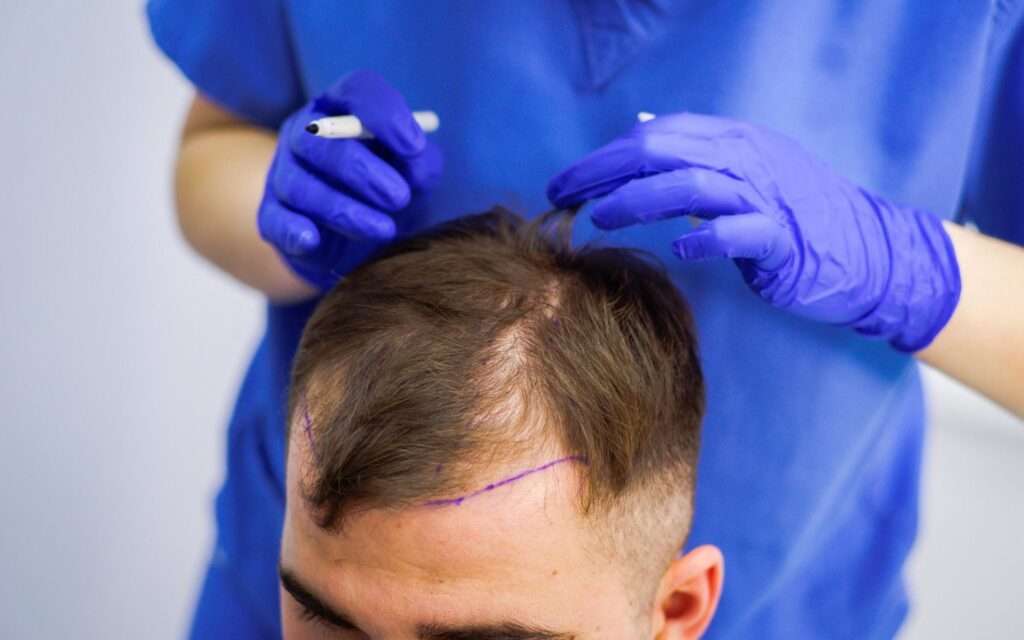
A hair transplant is designed to restore hair in a way that closely matches your natural appearance. The main goal is not just to add hair but to recreate the original hair growth pattern so the result looks natural, balanced and long-lasting. Modern techniques focus on precision, planning and personalization to achieve results that blend seamlessly with existing hair.
Planning That Matches Natural Appearance
Every successful hair transplant begins with detailed planning. The surgeon studies the scalp carefully to design a result that matches the patient’s natural look instead of creating an artificial pattern.
Key points considered during planning include:
- Natural hairline position
- Facial balance and proportions
- Existing hair density
- Future hair loss pattern
- Donor hair strength
This planning ensures that the final result grows in harmony with the patient’s original appearance.
Creating a Natural Hairline Shape
The hairline plays the biggest role in how natural the final result looks. Instead of a straight or sharp line a soft and irregular design is created to mimic real hair growth.
Doctors focus on:
- Age-appropriate hairline design
- Slight unevenness for realism
- Proper forehead proportion
- Natural front density transition
This approach helps the restored hairline look naturally formed rather than surgically created.
Designing Hair in Natural Direction
Hair does not grow in one uniform direction. Every area of the scalp has a different angle and flow. Recreating this pattern is essential for a natural result.
Surgeons carefully match:
- Direction of existing hair
- Angle of growth from scalp
- Natural swirl patterns at crown
- Variation in density across areas
When this is done correctly the transplanted hair blends perfectly with natural hair.
Accurate Hair Follicle Placement
Each hair follicle is placed one by one with attention to detail. The success of a natural hair transplant depends heavily on this step.
Important factors include:
- Correct angle of insertion
- Proper depth in the scalp
- Natural spacing between grafts
- Direction alignment with nearby hair
Even small errors can make results look artificial, so precision is critical.
Choosing Strong Donor Hair
Healthy donor hair is taken from areas where hair is genetically stronger, usually the back and sides of the scalp. These follicles are resistant to hair loss and continue to grow after transplantation.
Donor selection impacts:
- Long-term hair growth
- Density of transplanted area
- Natural texture match
- Overall success rate
Only strong follicles are used to ensure permanent and natural results.
Modern Techniques For Better Natural Results
Advanced technology has made hair transplants more precise and less invasive. Modern methods focus on improving both appearance and recovery.
Key improvements include:
- Minimal scarring
- Faster healing time
- Higher graft survival
- Better density control
- More natural hair direction accuracy
These techniques help achieve results that are almost impossible to detect.
Patient-Focused Treatment at Institute Cosmetique
At Institute Cosmetique every patient receives a customized plan based on their hair loss pattern and facial structure. No two treatments are the same.
Doctors focus on:
- Individual hairline design
- Customized density planning
- Scalp condition evaluation
- Long-term hair loss control
This personalized approach ensures natural and balanced results that suit each patient.
Proper Density Distribution
Natural hair is not evenly dense across the scalp. A good transplant replicates this variation instead of creating uniform density.
Surgeons carefully plan:
- Higher density in frontal area
- Medium density in mid-scalp
- Gradual reduction toward crown
This pattern creates a realistic and soft look instead of an artificial “filled” appearance.
Healing and Growth Timeline
After a transplant, hair goes through a natural cycle before full results appear. The process takes time but leads to permanent improvement.
Typical stages include:
- 2–4 weeks: shedding of transplanted hair
- 3–4 months: early regrowth begins
- 6–9 months: visible improvement in density
- 12 months: full natural results achieved
Patience is important for achieving the final outcome.
Long-Term Care For Lasting Results
Maintaining results after surgery is just as important as the procedure itself. Proper care supports healthy growth and long-term success.
Recommended care includes:
- Following post-operative instructions
- Avoiding harsh chemical treatments
- Maintaining scalp cleanliness
- Eating a healthy balanced diet
- Attending follow-up visits
These habits protect transplanted follicles and support continuous growth.
Expertise That Shapes Natural Results
Recreating original hair growth requires skill, precision, and experience. It is a combination of medical knowledge and artistic design.
Experts focus on:
- Natural hairline design
- Accurate graft placement
- Density balance
- Long-term aesthetic planning
This ensures that the final result does not look “done,” but naturally grown.
Recreating Your Original Hair Growth Naturally
A best hair transplant in Lahore that recreates your original hair growth is designed to restore more than just hair. It restores natural identity, facial harmony and confidence. With careful planning, advanced techniques and personalized treatment it is possible to achieve results that look completely natural and permanent.
Quick Note
Modern hair transplants focus on recreating original hair growth through precise planning, natural hairline design and accurate follicle placement. With personalized treatment approaches, patients can achieve natural density, balanced appearance and long-lasting results that blend seamlessly with existing hair.
Frequently Asked Questions
1. How does a hair transplant look natural?
It matches hair direction, density and hairline design with existing hair.
2. When do final results appear?
Full results usually appear within 9 to 12 months.
3. Is the result permanent?
Yes. transplanted hair is permanent in most cases.
4. Does it match the original hair texture?
Yes. donor hair blends naturally with existing hair.
5. Why is planning important?
Proper planning ensures natural appearance and long-term success.