
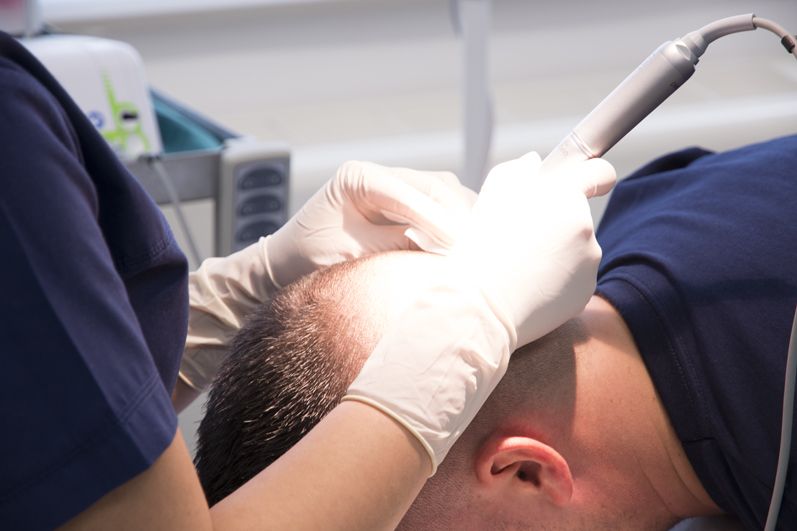
Hair transplant success depends on many factors but donor hair is one of the most important. The donor area provides the healthy hair follicles that are transplanted to thinning or bald areas. If the donor hair is strong and healthy the chances of achieving thicker and natural-looking results become much higher. A proper donor hair assessment also helps the surgeon create a treatment plan that matches your hair loss pattern and long-term goals.
Donor Hair Determines the Quality of Results
The donor area is usually located at the back and sides of the scalp because the hair in these areas is more resistant to hair loss. Healthy follicles taken from this region continue to grow after transplantation.
Healthy Follicles Grow Better
Strong follicles have a better survival rate after surgery. They heal more effectively and produce thicker hair over time. Weak or damaged donor hair may reduce the overall density and appearance of the final results.
Key Points to Know: A healthy donor area gives your surgeon more options to create natural hair coverage and better long-term results.
Donor Hair Assessment Comes First
Every patient has a different donor area. Before surgery the specialist carefully examines the donor hair to decide whether a hair transplant is the right option.
What the Surgeon Evaluates
During the consultation your surgeon checks:
- Hair thickness
- Hair density
- Hair texture
- Scalp condition
- Donor area availability
Key Points to Know:This evaluation helps estimate the number of grafts that can be safely removed without affecting the appearance of the donor area.
Healthy Donor Hair Creates Fuller Results
Hair density depends on both the number and quality of transplanted follicles. Thick and healthy donor hair usually creates fuller coverage after healing.
Better Density Needs Better Grafts
Healthy grafts continue growing naturally after transplantation. They blend well with existing hair and improve the overall appearance of the scalp. Thin donor hair may still provide coverage but the final density may be lower.
Choosing quality grafts is always more important than transplanting a high number of follicles.
Expert Graft Removal Protects the Donor Area
Removing donor follicles requires skill and precision. Poor extraction techniques can damage healthy follicles and leave the donor area looking uneven.
Balanced Graft Removal
An experienced surgeon removes follicles evenly across the donor area. This protects the natural appearance of the scalp while preserving enough hair for possible future procedures.
Proper extraction also improves graft survival and supports healthier hair growth after transplantation.
Donor Hair Cannot Be Replaced
The donor area contains a limited number of healthy follicles. Once they are transplanted they cannot grow back in the donor area.
Careful Planning Is Essential
Because donor hair is limited, every graft should be used wisely. Proper planning ensures the available follicles provide the best possible coverage without unnecessary waste.
Important Things to Know: If you are searching for the best hair transplant in Lahore choose a clinic that performs a detailed donor hair assessment before recommending treatment.
Hair Texture Affects the Final Look
Not all donor hair looks the same after transplantation. Hair thickness, curl pattern and texture all affect how full the results appear.
Hair Texture Shapes the Final Look
Curly or wavy hair often provides better visual coverage than very straight hair. Thick hair shafts also create the appearance of greater density. Your surgeon considers these natural characteristics while planning the procedure.
Understanding your hair type helps set realistic expectations before surgery.
Everyday Care Protects Donor Hair
The condition of your donor area depends on your overall health. Healthy habits help maintain strong follicles before and after surgery.
Daily Care Makes a Difference
Simple habits include:
- Eat a balanced diet.
- Drink enough water.
- Sleep well every night.
- Manage daily stress.
- Avoid smoking whenever possible.
These habits improve blood circulation and provide nutrients that support healthy hair follicles.
Regular Check-Ups Support Better Healing
Recovery does not end after the procedure. Regular follow-up appointments allow your surgeon to monitor healing in both the donor and transplanted areas.
During follow-up visits your specialist checks:
- Donor area healing
- Graft survival
- Hair growth progress
- Scalp condition
Key Points to Know:Many patients choose Institute Cosmetique because the clinic provides personalized follow-up care throughout every stage of recovery.
Early Monitoring Improves Recovery
Regular check-ups help identify any concerns before they become serious. Timely guidance supports better healing and improves long-term hair growth.
Professional Clinics Improve Outcomes
A successful hair transplant begins with careful planning and proper donor hair management. An experienced clinic focuses on protecting the donor area while achieving natural-looking density.
Key Points to Know: Many patients trust Institute Cosmetique because it combines experienced specialists, advanced techniques and individualized treatment plans to deliver safe procedures and long-lasting results.
Summary
Donor hair is the foundation of every successful hair transplant. Strong follicles, careful extraction, proper planning and healthy aftercare all contribute to thicker and more natural-looking hair. Choosing an experienced surgeon and protecting your donor area can make a significant difference in your final results. With the right approach, donor hair provides lasting coverage and supports successful hair restoration.
Frequently Asked Questions
1. Why is donor hair important for a hair transplant?
Donor hair provides the healthy follicles that are transplanted to thinning or bald areas making it essential for successful results.
2. Can everyone have a hair transplant?
No. A specialist must first evaluate the donor area to determine whether there are enough healthy follicles for transplantation.
3. Does donor hair affect hair density?
Yes. Strong and healthy donor hair usually produces better density and more natural-looking results.
4. Can the donor area grow hair again after extraction?
No. The removed follicles do not grow back so careful extraction and planning are very important.
5. How can I keep my donor hair healthy?
Maintain a balanced diet, stay hydrated, avoid smoking, manage stress and follow your specialist’s recommendations before and after surgery.